Winter can be tough on outdoor water pumps, especially in areas where temperatures drop below freezing. Winter proofing your outdoor water pump and sump pump helps prevent costly damage from freezing.
Without proper care, water inside the pump can freeze, causing internal components to crack, break, or seize up.
Fortunately, with a few simple steps, you can protect your pump and ensure it works properly when warmer weather returns.
Table of Contents
First Step: Disconnecting
Start by disconnecting the power supply to your water pump to ensure safety while handling the unit.
Once the power is off, it’s essential to drain any remaining water from the pump and the connected pipes. Even small amounts of water left inside can freeze, expand, and cause significant damage.
As temperatures drop, water expands when frozen, which can crack or break the pump’s internal components, leading to costly repairs.
For surface or shallow pumps, don’t forget to remove the water from the water lines completely. Water left in these lines is also at risk of freezing, which could damage the connections and cause blockages when you try to use the pump again.
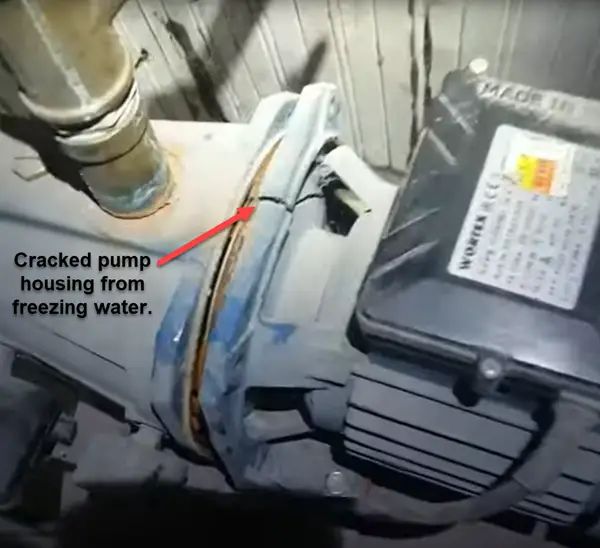
Steps for Winterizing Your Outdoor Water Pump
To properly winterize your outdoor water pump, follow a few straightforward steps to ensure it stays safe during the colder months.
After turning off the power, disconnect any water lines and thoroughly drain the pump. Make sure no water is left inside, as even small amounts can freeze and cause serious damage.
For added protection, use air to blow out any remaining moisture in the lines.
If your water pump is a deep-water or submersible pump, you may not need to worry as much about freezing.
If you are certain that the pump is in deep enough water that the water won’t freeze, that is good. Just make sure the piping or hose and power cord can survive being frozen in ice.
Is your pump in a lake where the ice breaks up and moves around during the spring thaw? Can your pipes or hose survive that?
However, surface or shallow pumps are more prone to freeze damage. If you have one of these types of pumps, consider storing it in a dry, sheltered area during the winter months.
If moving the pump isn’t an option, using portable storage to protect it from the elements can be a good alternative.
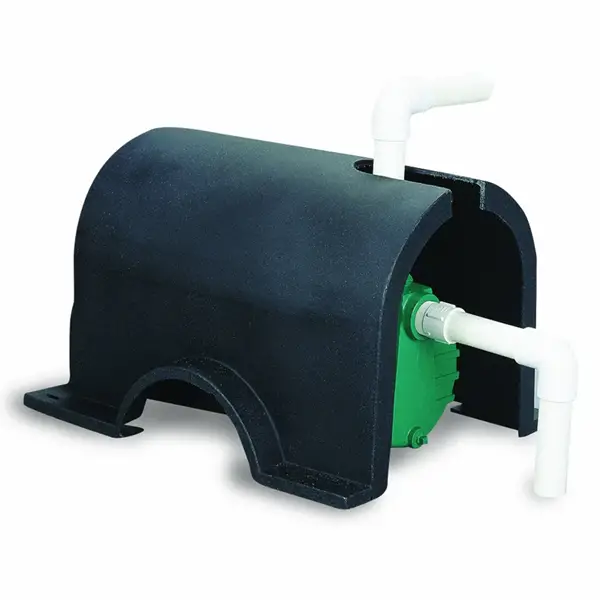
Using Water Pump Covers for Extra Protection
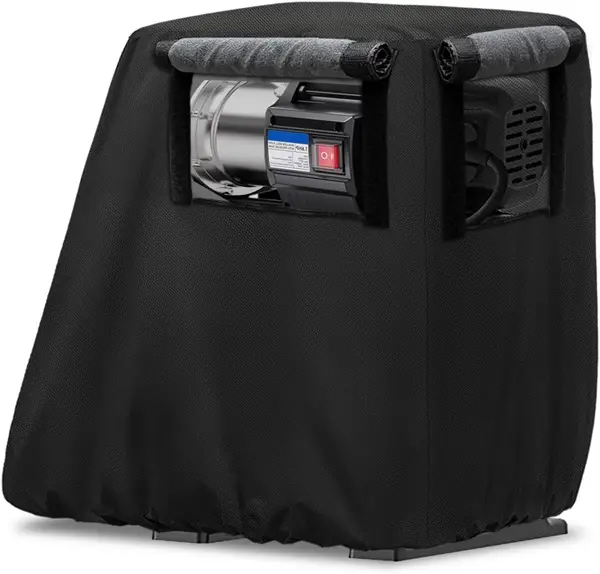
One of the most effective ways to protect your outdoor pump during freezing temperatures is by using water pump covers. These covers fit over the pump and act as an additional layer of insulation.
They keep snow, ice, and freezing winds away from the pump, reducing the risk of cold-related damage.
Water pump covers are especially useful in areas where the pump is exposed to the elements. Even if the pump is located in a sheltered spot, the cover provides an extra layer of protection against severe winter weather.
There are many different types of water pump covers available, from basic fabric covers to more durable, insulated options. Choose one that fits your pump’s size and design to ensure it provides the best protection.
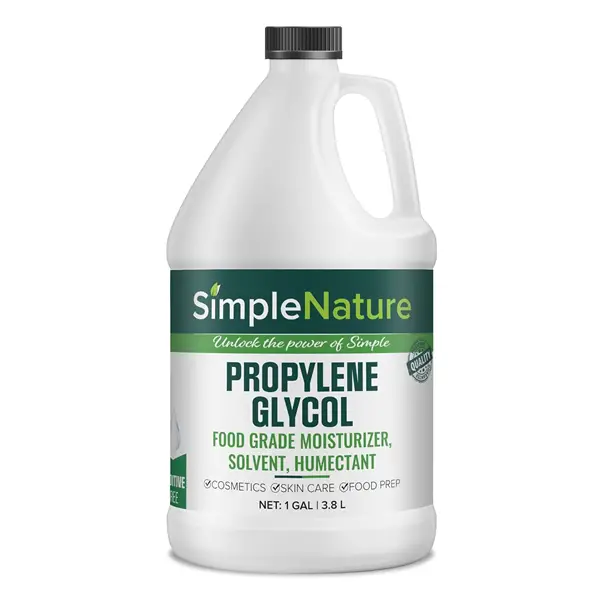
Do I need To Use Propylene Glycol?
If the pump is staying outdoors, the answer is: Yes. The food-grade propylene glycol will mix with any water that you could not get out of the pump and will prevent pump damage.
You must use food-grade propylene glycol. Do not use ethylene glycol which is very poisonous. Ethylene glycol is used in car radiators – don’t use automotive antifreeze.
If you can store the pump in a heated building, then you can skip using the propylene glycol.
Why Climate-Controlled Storage is Important
For those who need to store their outdoor water pump during the winter or during renovations, a climate-controlled storage unit is ideal.
These units maintain a stable temperature, which can help prevent damage from freezing temperatures. Storing your pump there ensures that it won’t be exposed to extreme cold.
While climate-controlled storage is the best option for temperature-sensitive pumps, portable storage units can also be a practical solution for temporary protection. They provide a convenient way to store your pump on-site, allowing easy access when you need it, and protecting it from the cold.
Thinking About Using a Storage Unit
A storage unit is a great way to keep your things safe during winter or any other unwanted weather.
If you plan on storing seasonal gear, outdoor furniture, or other belongings during the colder months, follow the right steps on how to winterize your belongings in a storage unit to help preserve their condition.
It’s essential to store items off the floor to prevent moisture buildup, which can cause rust, mold, or mildew. Using portable storage tips like wrapping sensitive items in waterproof materials or placing them in airtight containers can shield your belongings from the elements.
For clothing and textiles, consider vacuum-sealing them to reduce space and prevent damage from humidity.
It’s also important to wrap any wooden furniture or leather items to protect them from the cold, as freezing temperatures can cause cracking or warping.
By following these simple steps, you’ll ensure that your stored items are well-protected and ready to use when the weather warms up.
Knowing, how to winterize your belongings in a storage unit is crucial to keeping everything in good condition through the winter months.
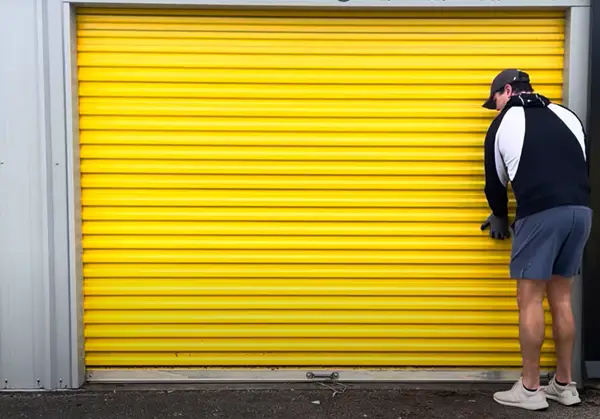
Protecting Your Water Pump with Portable Storage
Winter-proofing your outdoor water pump doesn’t have to be complicated, especially when using portable storage units. These units allow you to store your pump safely and keep it protected from freezing temperatures.
If you’re worried about storing your pump for an extended period, portable storage gives you flexibility. You can store the pump in a secure, dry location until the weather warms up, all while ensuring easy access when needed.
If Something Goes Wrong
If you mess something up while winter-proofing your water pump, don’t panic. First, check for any obvious damage, like cracks or leaks. If you find any, stop using the pump immediately. This can prevent further damage.
If water lines freeze, carefully thaw them with a hairdryer or warm towel. Never use an open flame or hot water, as it can crack the pipes.
If you forgot to drain the pump, remove any remaining water as soon as possible.
For pumps that are already frozen, you might need to replace parts. Don’t try to force anything open, as this could cause more harm.
Lastly, check for weatherproofing at least once a month and especially after strong storms. Also, do annual checkups to ensure everything stays secure and functional.
Final Thoughts on Winter Proofing Your Outdoor Water Pump
Winter-proofing your outdoor water pump is essential. It’s a simple task that can save you time and money.
By using water pump covers, draining the pump, and storing it properly, you can keep your equipment in good condition through the colder months.
Whether you choose climate-controlled storage, portable storage, or basic protective covers, taking these steps now will prevent costly repairs later.
These easy tips will make sure your water pump — and other outdoor equipment — is ready when you need it, no matter how cold it gets.