A sump pump often sits quietly out of sight, doing its job without much attention. Because it usually operates in the background, many homeowners only realize something is wrong when water starts creeping across the basement floor.
Understanding the early signs of sump pump failure can help you act before minor issues turn into major water damage.
Knowing how to tell if a sump pump is working is not about technical expertise; it is about awareness, observation, and a bit of proactive care.
This guide walks you through the most common warning signs, what they mean, and how to respond with confidence. With the right knowledge, you can protect your home, your belongings, and your peace of mind.
Table of Contents
Why a Working Sump Pump Matters More Than You Think
A sump pump plays a critical role in managing groundwater around your home’s foundation. Its job is to collect excess water from the sump basin and redirect it safely away from your house. When it works as intended, it helps prevent basement flooding, mold growth, and structural damage.
When it fails, however, the consequences can escalate quickly. Even a short period of heavy rain or snowmelt can overwhelm a malfunctioning system.
Understanding the signs of sump pump failure allows you to step in early, often before any visible damage occurs.
Signs of Sump Pump Failure: Unusual Noises Coming from the Pump
One of the earliest signs of sump pump trouble is a change in sound. A healthy sump pump typically produces a steady, low hum while operating.
Grinding, rattling, or clanging noises may indicate worn bearings, a damaged impeller, or debris caught inside the unit.
Ignoring unusual sounds can allow small mechanical issues to worsen. Over time, these noises often signal that internal components are struggling, which increases the likelihood of a complete breakdown during the next heavy rain.
The Pump Runs Constantly or Too Frequently
A pump that never seems to rest or kicks on repeatedly throughout the day signals that something is off. It’s expected to work harder when storms move through or the water table is high, but when the weather is dry, that level of activity becomes a warning sign rather than normal behavior.
Issues such as a float switch that no longer moves freely, a pump that’s too small for the job, or a discharge pipe that isn’t allowing water to flow out properly can all trigger nonstop cycling.
Letting it run this way places extra load on the motor, increasing wear and ultimately shortening the life of the system.
The Pump Does Not Turn on When Needed
Just as concerning as constant operation is a sump pump that fails to activate at all. If water collects in the sump basin but the pump remains silent, the issue could involve the power supply, float switch, or motor.
Testing the pump periodically by slowly pouring water into the basin can help you determine whether it activates as expected. A pump that does not respond promptly is sending a clear warning sign that should not be ignored.
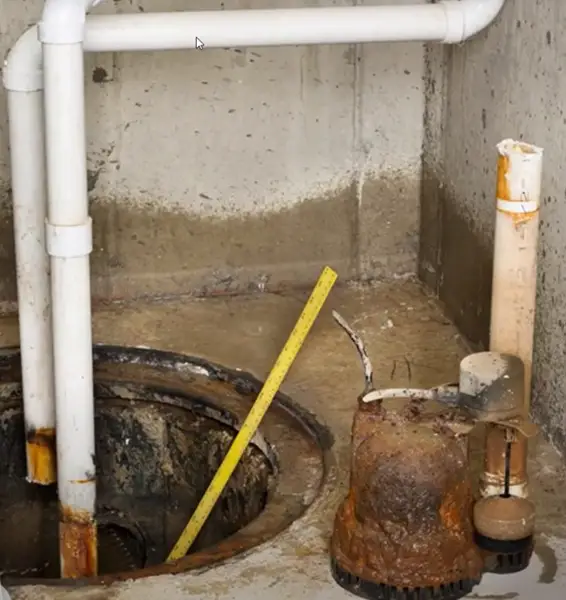
Visible Rust or Corrosion on the Unit
Heavy rust on the body of a cast iron sump pump isn’t a problem unless it interferes with the operation of the float ball or other components.
Cast iron sump pump bodies are thick and will outlast the other components of the sump pump.
Some amount of rust on other parts of a cast iron sump pump or other types of sump pumps is usually acceptable. However, large amounts of rust indicate an upcoming problem.
Rust and corrosion often indicate age, prolonged moisture exposure, or mineral-rich water. While a small amount of surface rust may not immediately affect performance, extensive corrosion can weaken key components and compromise reliability.
Over time, corrosion can interfere with the pump’s ability to move water efficiently. If you notice significant rust, it may be time to consider repair or replacement before the pump fails unexpectedly.
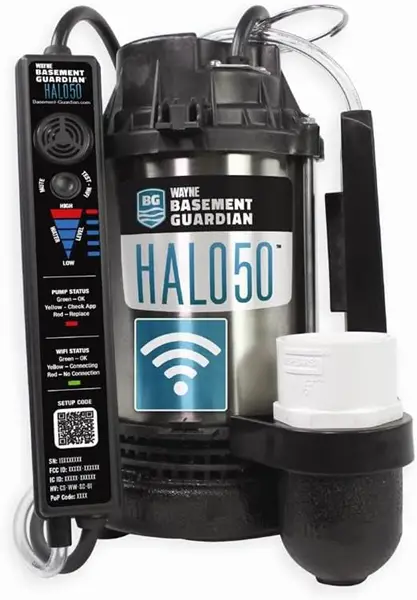
A Musty Smell or Increased Humidity in the Basement
Your senses can offer valuable clues about sump pump performance. A musty odor or noticeable increase in basement humidity may suggest that water is not being properly removed.
When a sump pump fails or struggles to keep up, moisture can linger in the air and on surfaces. That creates an environment where mold and mildew thrive, even if standing water is not immediately visible.
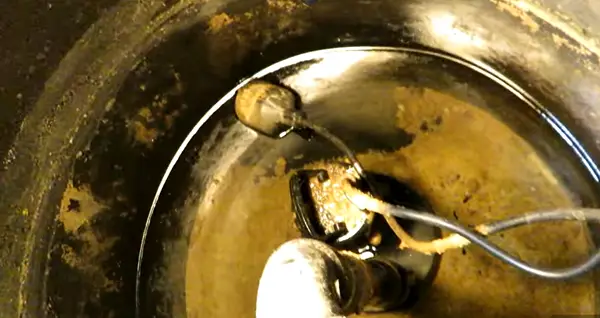
Water Remaining in the Sump Pit After Operation
After a sump pump runs, some water will remain in the pit, but it should not be excessively high. If water levels stay elevated or continue rising after the pump shuts off, the system may not be discharging water effectively.
This issue could stem from a clogged discharge pipe, a failing pump motor, or improper installation. Excess water in the pit reduces the system’s capacity to handle the next influx of groundwater.
A check valve above the sump pump will prevent water in the discharge pipe from flowing back into the sump pit. Which can make the sump pump turn on repeatedly. Make sure the check valve is operating properly.
Debris Buildup and the Importance of Maintenance
Over time, dirt, gravel, and small debris can accumulate in the sump basin. This buildup can interfere with the float switch or clog the pump intake, reducing efficiency or causing the pump to fail altogether.
A basement cleanout can be a perfect place to start when assessing sump pump health. Clearing out stored items makes it easier to access the pit and inspect the system closely. During a basement cleanout and organization effort, homeowners often discover debris buildup, tangled cords, or partially blocked discharge lines that would otherwise go unnoticed.
The Pump Is Old and Near the End of Its Lifespan
Even the best-maintained sump pumps do not last forever. Most units have a lifespan of seven to ten years, depending on usage, water quality, and maintenance practices.
If your pump is approaching or has exceeded this range, it may still function but with reduced reliability. Aging components are more prone to failure, especially during periods of high demand when you need the pump the most.
Electrical Issues and Power Supply Problems
Sump pumps rely on electricity to operate, which makes them vulnerable during storms when power outages are most likely. If your pump frequently trips a breaker or fails to restart after a power interruption, electrical issues may be at play.
Loose connections, damaged cords, or an overloaded circuit can all affect performance. These problems not only threaten the pump’s functionality but can also pose safety risks if left unaddressed.
Discharge Water Flow Looks Weak or Inconsistent
When a sump pump is working properly, it should expel water with noticeable force through the discharge pipe. Weak or inconsistent flow may indicate a clogged line, worn impeller, or failing motor.
Observing the discharge during operation provides useful insight into the pump’s condition. Reduced flow often means the system is struggling to keep up, even if it still turns on and off as expected.
Seasonal Changes Can Reveal Hidden Problems
Sump pump issues sometimes only become apparent during seasonal transitions. Spring snowmelt and fall rains place added stress on drainage systems, exposing weaknesses that may not surface during drier months.
Paying close attention to pump behavior during these times can help you identify problems early. Seasonal checks offer reassurance that the system is prepared for increased water levels.
How Regular Testing Builds Confidence
Regular testing is one of the simplest ways to confirm that your sump pump is working. Pouring water into the pit and watching how the pump responds helps you assess activation, pumping speed, and shutdown behavior.
This practice builds familiarity with normal operation, making it easier to spot changes over time. Confidence comes from knowing what to expect and recognizing when something feels off.
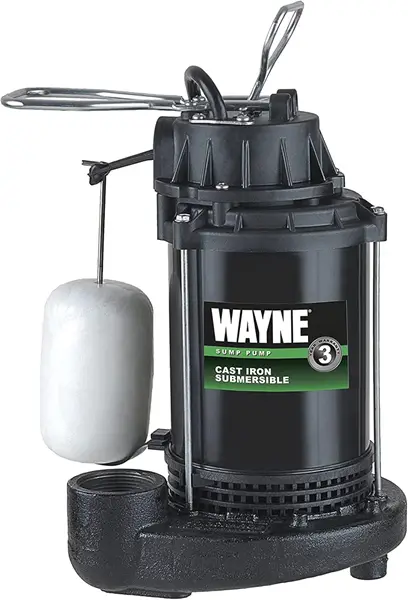
See it at Amazon.
Staying Ahead of Sump Pump Failure
A sump pump does not demand constant attention, but it does benefit from informed awareness. By recognizing the signs of sump pump failure and understanding how to tell if a sump pump is working, homeowners can take timely action to protect their basements and foundations.
Listening for unusual noises, observing water levels, and paying attention to environmental clues all contribute to early detection. Routine checks and occasional maintenance can extend the life of the pump and reduce the risk of sudden failure. With a calm, proactive approach, you can trust that your sump pump will be ready to perform when it matters most.